Connect
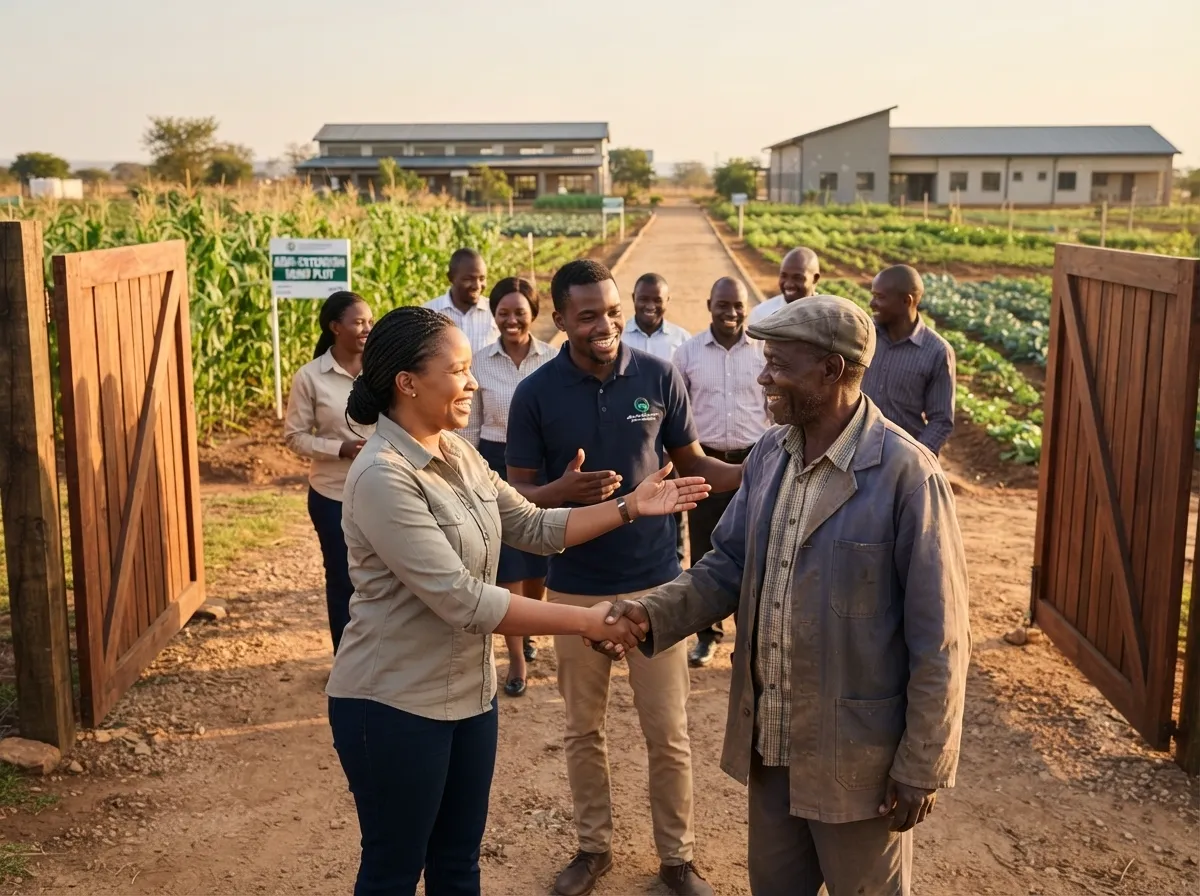
Bring partners together
Bring universities, communities, industry and funders to one table, around a shared sustainable agriculture challenge.

Our approach
Our name describes our method. We walk with institutions through four stages, from first conversation to lasting results.
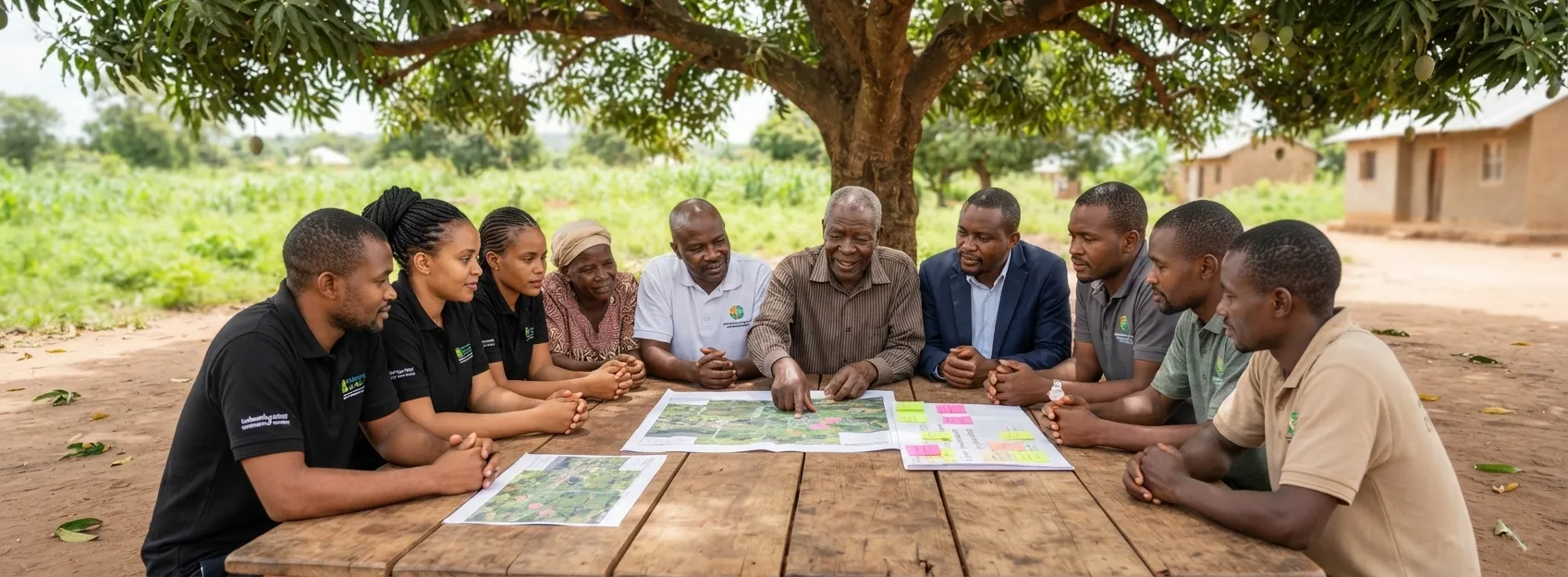
Bring partners together
Bring universities, communities, industry and funders to one table, around a shared sustainable agriculture challenge.

Agree roles and MOUs
Help partners agree roles, sign memoranda of understanding and set up joint governance.

Build skills and bids
Build the skills and the bids: grant writing, project design, budgets and monitoring frameworks.
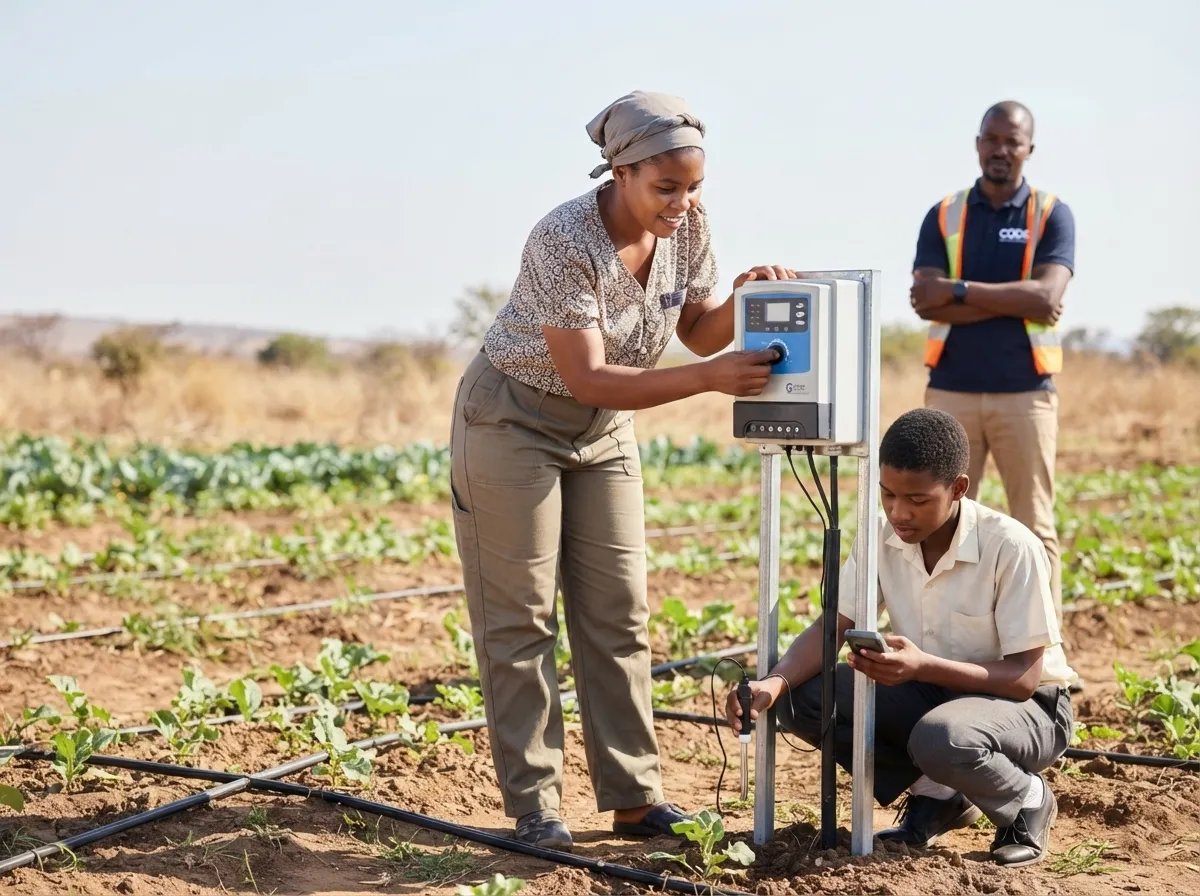
Deliver on the ground
Support delivery on the ground, with technical expertise, demonstration sites and community engagement, until partners can run it themselves.
Why collaboration
Major agricultural and climate funders increasingly favour consortia. Collaboration also changes what happens after the grant: each partner becomes a local anchor in its own community.
Roles and responsibilities
Next steps
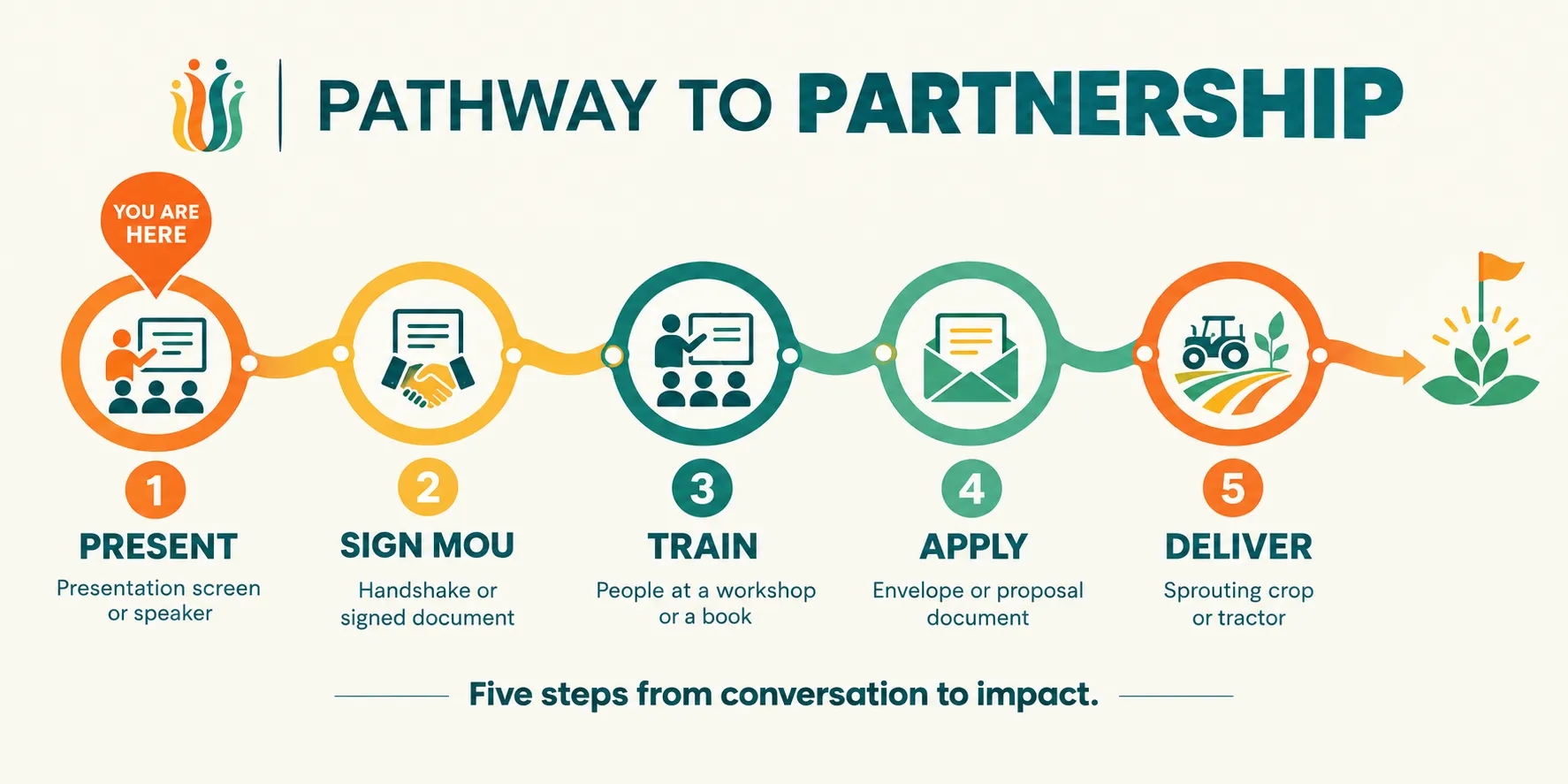
Step 1
CODE presents the concept in person to university leadership, research offices and agriculture faculties.
Lead: CODE
Step 2
Interested institutions and CODE sign an MOU setting out shared goals, roles and ways of working.
Lead: CODE and partners
Step 3
Workshops for research teams on finding calls, writing winning proposals and managing funded projects.
Lead: CODE
Step 4
CODE co-develops a consortium bid on a priority sustainable agriculture challenge.
Lead: Consortium, supported by CODE
Step 5
Once funded, CODE supports implementation, technical delivery and reporting.
Lead: Consortium and CODE
Sustainable agriculture will not be achieved by any one institution or discipline alone. Let’s meet to explore how your institution can lead and benefit from a regional partnership.